Events + Shows
Featured
exhibit
March 21 - October 18, 2026
TITANIC: The Artifact Exhibition
OMSI After Dark
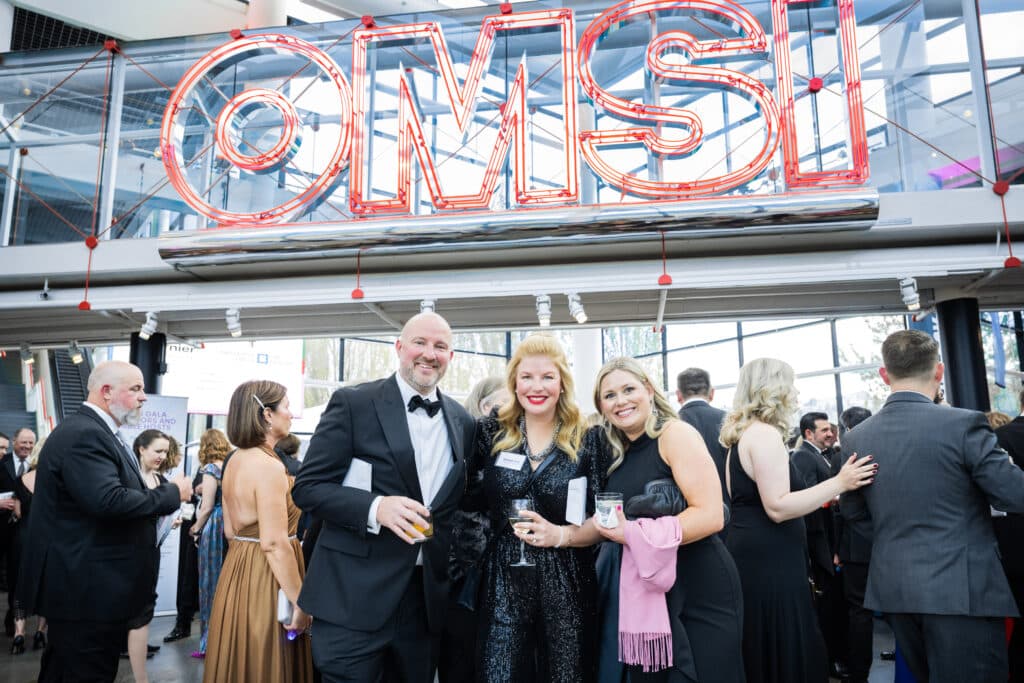
The ultimate night out! Typically the last Wednesday of the month, OMSI After Dark is a 21+ event that gathers local vendors, artisans, and science content for you to enjoy. Get ready to taste test a local brew, catch a show, or try a science demo – all while exploring the museum’s permanent exhibit halls. Browse upcoming OMSI After Darks to discover what adventure awaits.
June 24, 2026 | 6-10 pm
OMSI After Dark: The Human Body
July 29, 2026 |
6-10 pm
OMSI After Dark: Out of This World
August 26, 2026 |
6-10 pm
OMSI After Dark: Pickle It!
Science Pubs
This isn’t an ordinary lecture series! Grab a drink and enjoy a relaxed presentation by local and world-renowned scientists, researchers, and leaders. With new talks scheduled every month, it’s easy to find a Science Pub that sparks your interest.
SOLD OUT
June 16, 2026 | 7-9 pm
Science Pub: The Chromatic Mind
July 7, 2026 | 7-9 pm | Medicine
Science Pub: Homelessness and Health
Other Featured Events
We host so many events at OMSI we can’t fit them all on one page! Here’s a small selection of other events happening soon.
June 10 | 6:30 - 8:30 pm
Educated Guess: Combustions + Eruptions
Thu. June 11 |
8 pm
Disclosure Day – Opening Night Event
June 12, 2026 | 6-9 pm
PRIDE at the Museum
PPE Masks Required | June 14 | 6 - 9 pm
OMSI’s Masked Night
Matches at the Museum |
June 11 - July 19
World-Class Soccer 2026
June | Saturday | 6 pm
Laser Taylor Swift
An immersive 360° Experience
June 18, 19, 20 | 7 pm, 8:15 pm + 9:30 pm
Circle of Light: The Love of Rumi & Shams
June 22 |
6:30 - 8:30 pm
Reel Science: Ghosts of the Abyss
June 30
| 6:30 - 7:15 pm
Sayaka Ganz: Sculpting Motion from Plastic
Wed. July 1 | 2 pm, 4:15 pm + 6 pm
Minions & Monsters – Opening Day Event
Jun 13 (Sold Out) | Jul 4 | Jul 25 | Aug 15 | 9 am - 10 am
Curiosity Kids: Design and Discover
Immersive 360° Experience | July 9 | 7 pm
The Circle
Jul 11 | Aug 1 | Aug 22 | 9 am - 10 am
Curiosity Kids: Sasquatch Science Team
July 1 - September 30
Reclaimed Creations
July 23 |
6:30 - 8:30 pm
Reel Science: The (M) Factor 2
Host Your Own Event
We can accommodate a wide range of event types and sizes, including museum-wide receptions, company picnics, meetings, and film screenings. Hosting your event at OMSI is sure to make any occasion unforgettable.
Accessibility Resources
OMSI is committed to making science-fueled fun available for all in our community. We are proud to offer admission assistance, financial aid, and accessible services throughout all OMSI experiences.